
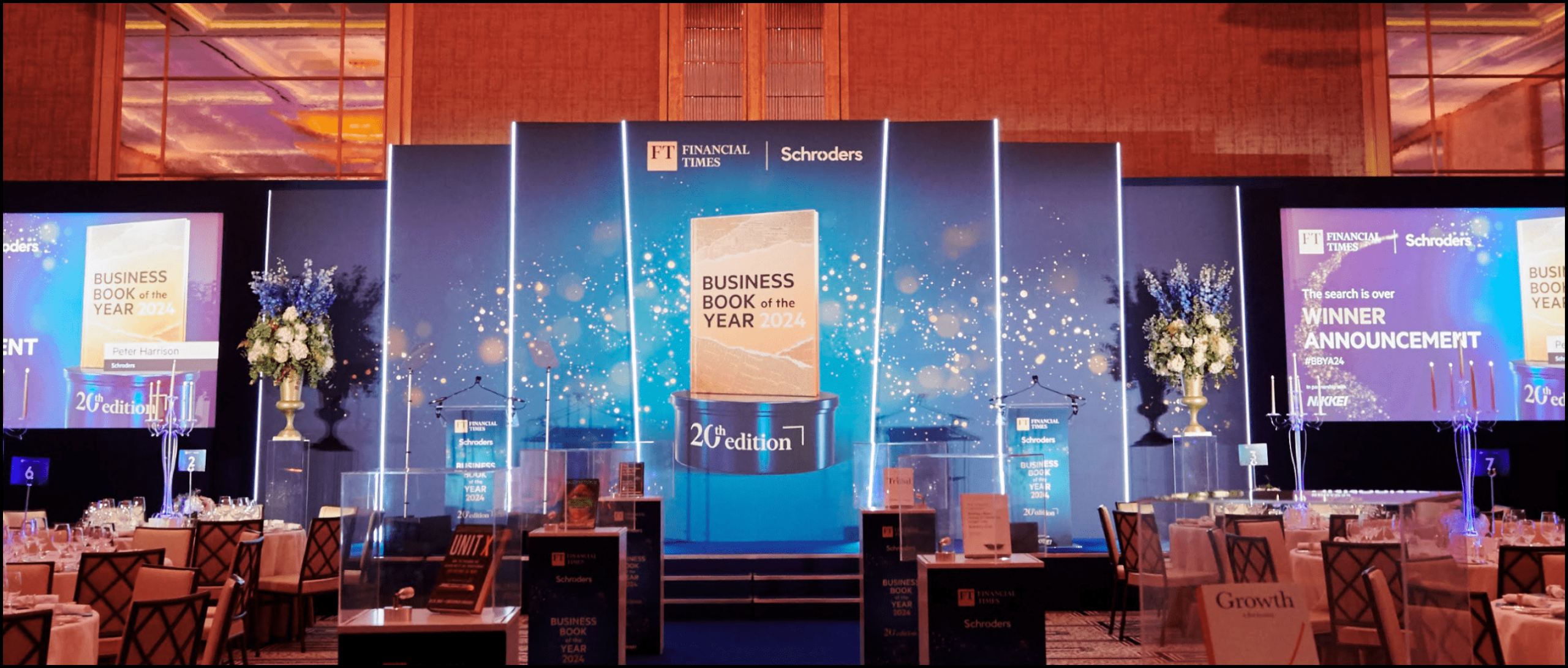
Why Event Branding Matters & How to Create Immersive, Sustainable & On-Brand Events
From bold visuals to digital touch-points, effective event branding drives recognition, sparks emotion, and keeps your brand front of mind...

Over the past few years, there’s been a noticeable shift in the way brands communicate. Despite the continued dominance of social media and digital-first marketing, people are gravitating back toward in-person experiences, and brands are quickly following. It’s become an interesting tension when the more time we spend online, the more we crave human contact and memorable experiences.
Across industries, we’re seeing a resurgence of pop-ups, immersive installations, live events, and interactive activations. These aren’t just nostalgic returns to “the old way” of doing things, they’re strategic, high-impact moments engineered for today’s hybrid world, where you attend something in real life and then broadcast it online.
For brands, the value of showing up IRL has never been clearer. And for event creators and production teams, it’s a golden opportunity.
Years of being online for work, socialising or for entertainment have created a craving for connection, novelty, and physical environments that feel crafted and intentional. Digital content is abundant, but genuine connection feels scarce. Real-world events offer something algorithms can’t: the feeling of being part of a moment.
Importantly, none of this replaces digital. Instead, the physical experience becomes the fuel for the online conversation.
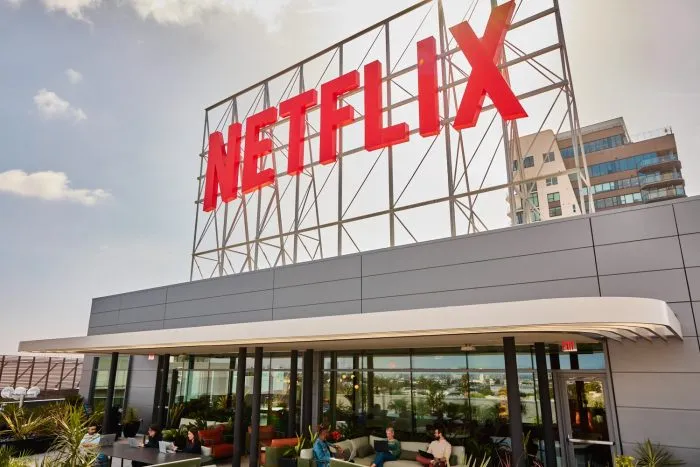
A clear example of this shift is the rise of large-scale branded experiences like Netflix House, which explores a permanent and immersive venue concept where visitors can step into the worlds of their favourite shows.
Netflix has long understood the power of turning stories into physical spaces. Their Stranger Things and Bridgerton pop-ups drew enormous crowds, creating photo-ready environments tailored for social sharing. Netflix House takes this idea even further. Between the theme park elements and interactive exhibitions, the experience becomes a content engine.
Audiences don’t just watch the shows, they walk through them. They create videos, snap photos, and share online, essentially marketing it for Netflix in real time.
This is the new playbook: make something worth attending, and the internet will take care of the rest.
Netflix isn’t alone. Across industries, brands are revisiting physical experiences and finding that people are eager for them.
IKEA hosted quirky in-store sleepover events where fans test furniture in a playful, unexpected way. Not only do these moments create strong emotional connections, but they also flood social feeds with user-generated content that feels genuine, not staged.
Dating app Bumble brought its brand values offline with ‘Bumble Hives’ pop-up cafés where people could meet, network, attend talks, and build community in real life. An experience that goes beyond swiping and translates the app’s mission into a physical space.
Beauty brand Glossier paired the launch of their new fragrance with a two-day pop-up in Paris, where visitors could get their bottles engraved and receive personalised AI-generated poems. This turned a product debut into a memorable physical experience that translated into social sharing and digital content.
Retail brand Vans created the ‘House of Vans’ pop-up stores, which doubled as skate parks, music stages, and art spaces. These activations created a subcultural community hub that’s inherently shareable and deeply connected to the brand’s identity.
This resurgence doesn’t appear to be a trend that will fade quickly. It’s become a structural shift in how brands communicate.
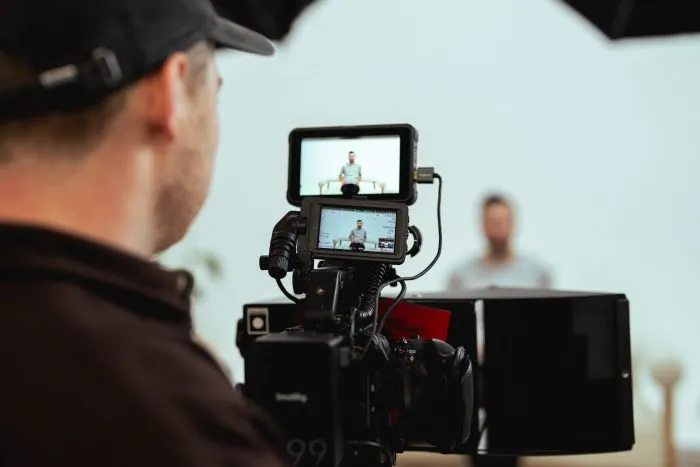
As marketers lean harder into real-life experiences, the demand for high-quality production, AV expertise, creative staging, live-streaming, filming and digital-ready content will only increase.
Brands want moments that feel immersive onsite and look flawless online, a blend of theatrical, cinematic, and social-first thinking. That’s where production partners become essential.
This is also why many companies are investing in long-term content plans, booking recurring shoot days, and building hybrid strategies that connect their live events directly to their digital marketing. The physical experience is the hook; the online amplification is the engine.
The return to real-world events might seem ironic in the age of virtual everything, but in reality, it makes perfect sense. After years of digitisation, audiences want experiences they can feel and brands want moments that cut through the noise.
The future isn’t offline or online. It’s a loop between the two! Real-life productions, events and experiences that inspire digital storytelling, and digital storytelling that brings people back to real life.
From bold visuals to digital touch-points, effective event branding drives recognition, sparks emotion, and keeps your brand front of mind...
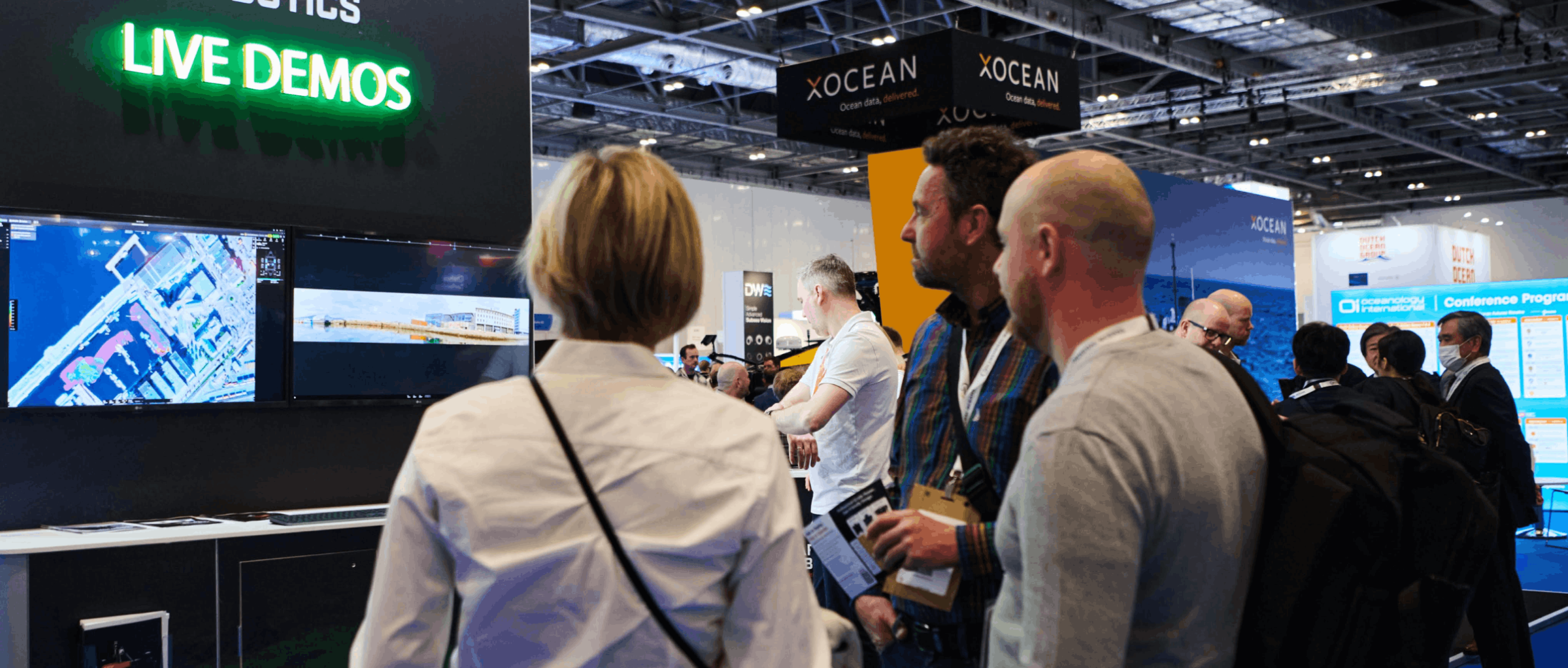
In this blog, discover why a production-led approach can help exhibitors generate more value from every event and extend the...
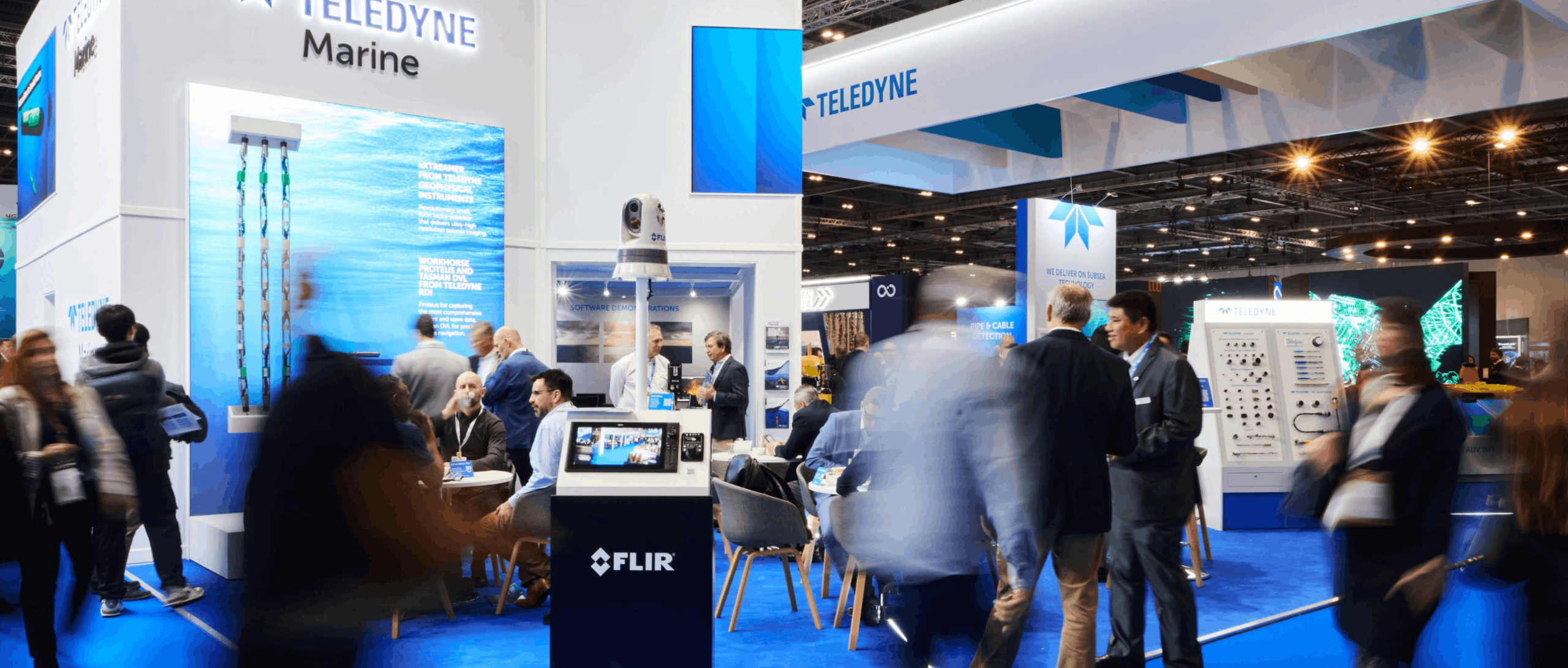
Discover how content-led exhibition strategies help brands generate social content, livestreams and marketing assets from live events.