Is Exhibition Production Worth the Investment?
In this blog, discover why a production-led approach can help exhibitors generate more value from every event and extend the...
At busy trade shows, brands have seconds to capture attention. With hundreds of competing exhibition stands, crowded halls, and constant visual noise, creating an effective exhibition experience requires far more than attractive graphics or large screens.
The most successful stands are designed around how people move, interact, and engage within the space. They feel intuitive, memorable, and genuinely engaging for the people walking through them.
Here’s what to consider when planning yours.
Before thinking about layouts, screens, or stand builds, map out the audience journey. What should visitors notice first? What do you want them to feel? Where should interaction happen, and what should they take away afterwards?
The most effective stands are designed intentionally around audience behaviour. Everything from positioning and sightlines to lighting, movement, and presentation areas should work together to guide visitors naturally through the space. Good exhibition design isn’t just visual, it’s behavioural.

Exhibitions are competitive visual spaces. Attendees are constantly processing movement, sound, screens, branding, demonstrations, and conversations all at once.
That means your stand needs a clear visual hierarchy. Visitors should immediately understand who you are, what you do, and where to look. Simple messaging, dynamic visuals, and strong focal points tend to outperform cluttered stand designs. In many cases, less creates stronger engagement.
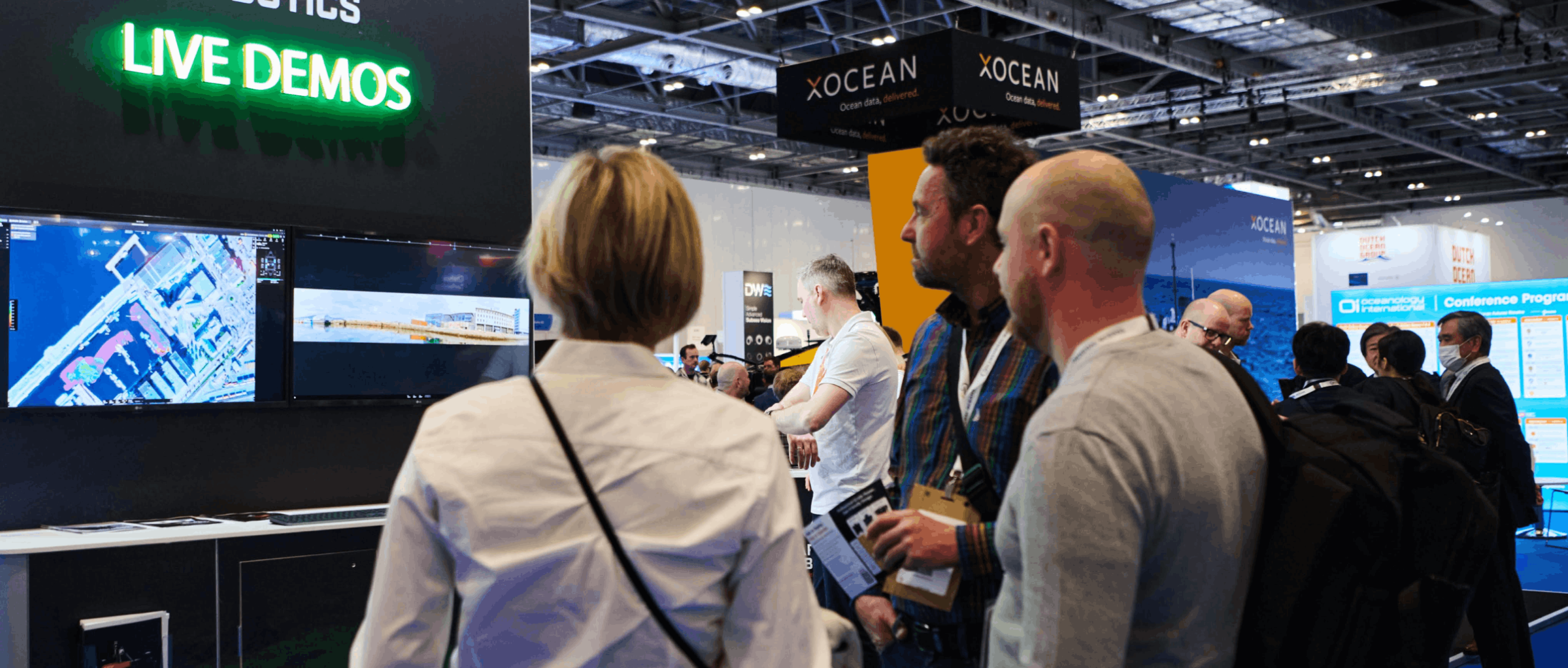
AV plays a significant role in how a stand feels in practice. Lighting, sound, and screen content influence mood, energy, audience flow, and engagement. Used well, AV draws people in, guides attention toward demonstrations, and encourages visitors to stay longer. Interactive technologies such as touchscreens, AR, and VR are increasingly being used to create more memorable audience interactions. The goal isn’t to add technology for its own sake, it’s to create meaningful engagement.
Audience flow is one of the most overlooked elements of exhibition planning. Even visually impressive stands can feel uncomfortable if movement through the space hasn’t been considered. Open entry points, clear focal areas, and spaces for conversation or demonstration make a significant difference, particularly during busy periods when attention spans are at their shortest.
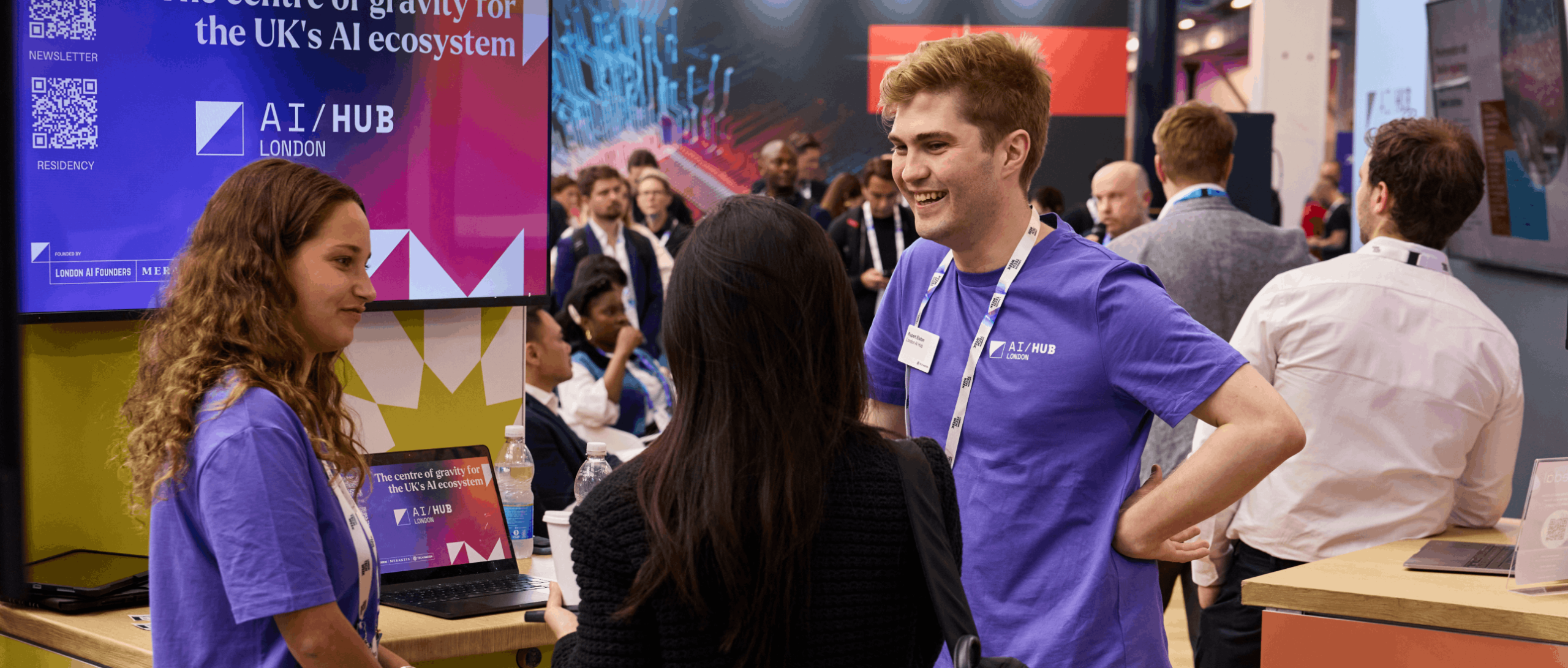
People remember experiences they actively participate in. The most engaging stands encourage visitors to interact, explore, ask questions, and spend time within the environment. That might include live demonstrations, presentations, product testing, or interactive content. Creating those moments of interaction is what helps brands stand out in crowded spaces.
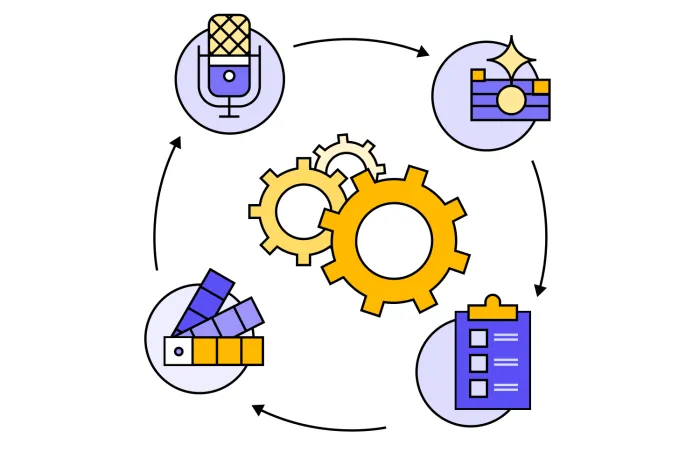
The strongest exhibition stands are planned holistically from the start. When creative direction, technical production, and audience engagement are considered together, the entire environment feels more cohesive and impactful.
At London Filmed, we bring exhibition production, stand design and build, AV, and content creation together under one team. For more on how to make the most of the content opportunity your exhibition creates, our piece on turning your exhibition stand into a content studio is a useful next step.
A well-planned exhibition stand is about more than what it looks like on the day. It’s about how it feels to be in it, and what it leaves people with when they walk away. If you’re in the early stages of planning and want to talk through your stand experience, get in touch.
In this blog, discover why a production-led approach can help exhibitors generate more value from every event and extend the...
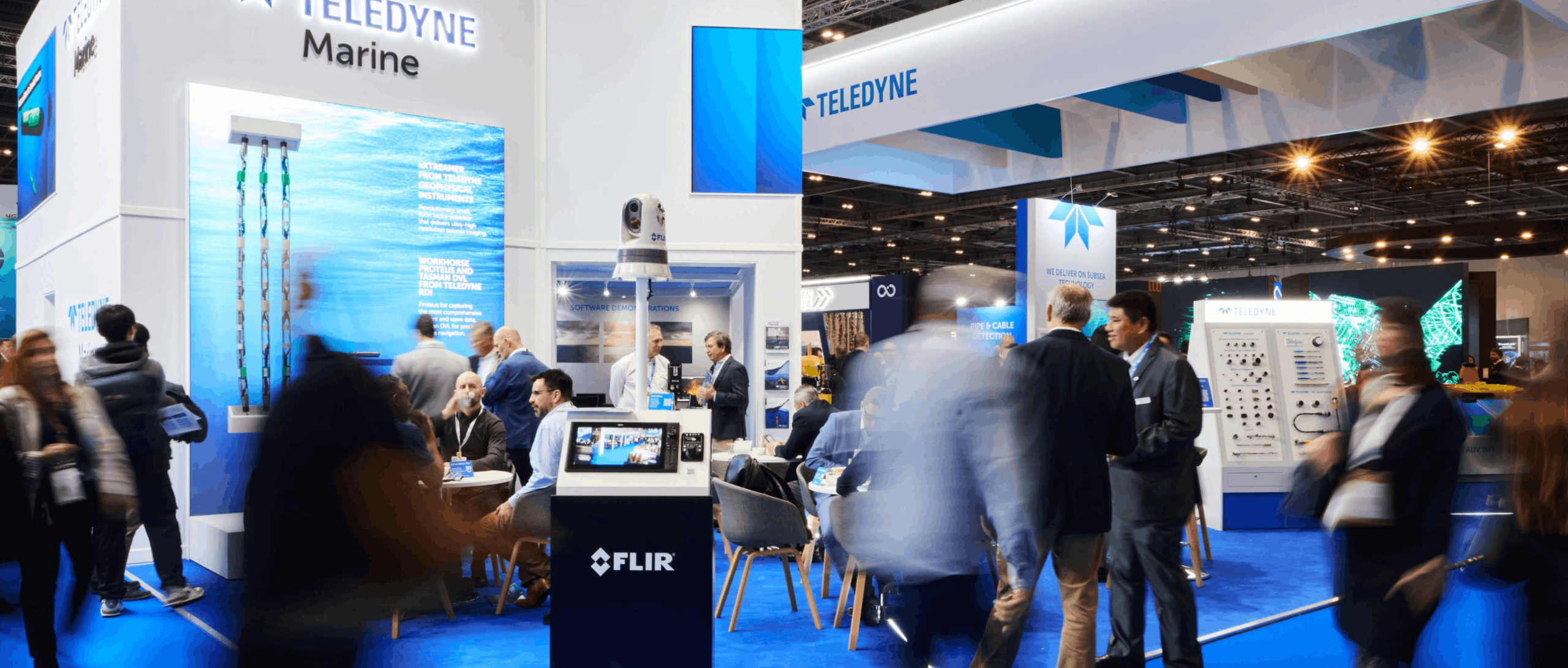
Discover how content-led exhibition strategies help brands generate social content, livestreams and marketing assets from live events.
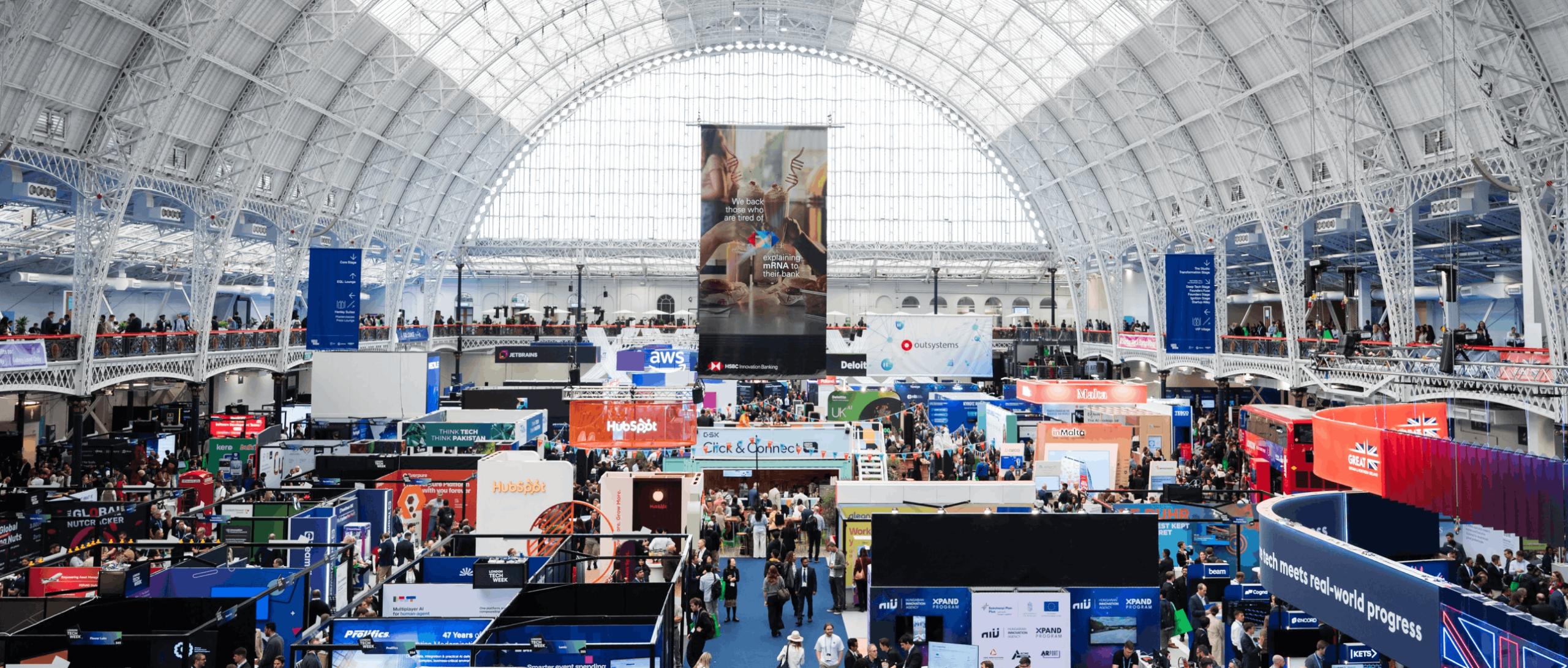
Exhibitions take a significant investment across stand design, production, travel and marketing, so ensuring they pay off is key. Discover...